You know that feeling when you download a new app and for about two days it feels like this might actually be the thing that helps? Then day three hits. You forget to open it. Day four, guilt. Day five, you delete it or just stop looking at it completely. Another thing you started and didn't finish. Another reason to feel like the problem is you.
The problem is not you though. It never was.
The tools just weren't built for people who feel stuck. They're built for people who already know what they want.
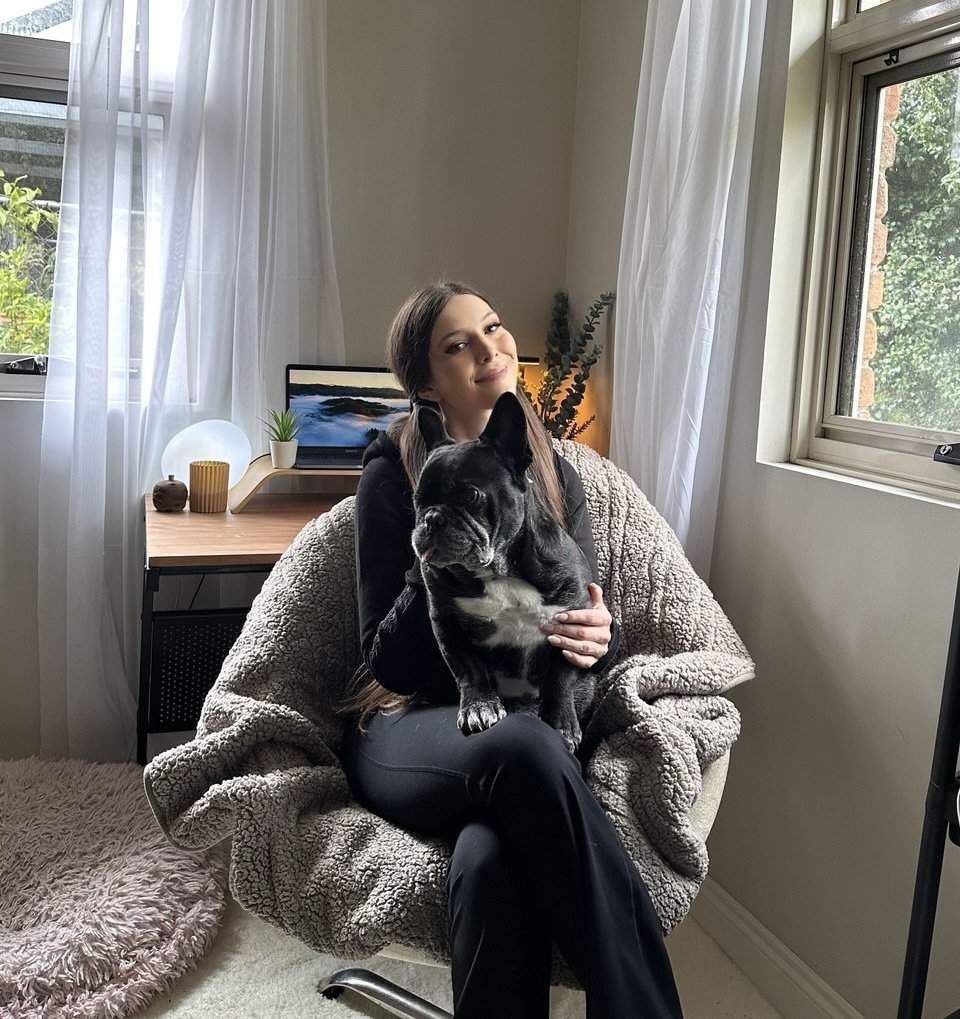
I know, because I was you
My name is Lily. I'm a psychology graduate from Adelaide with ADHD. After university ended, I hit a wall. No more structure, no more deadlines, no clear path forward. Just an open expanse of "figure it out yourself" that felt more terrifying than freeing.
I would wake up with vague intentions of being productive and then lose entire days to scrolling, napping, and feeling guilty about both. I wasn't depressed, exactly. I could still laugh with friends. But underneath everything was this persistent feeling of being stuck. Like watching my life from outside a window.
So I did what you probably did. I downloaded every wellness app I could find. The habit trackers punished me for missing days. The journals gave me blank pages that my executive dysfunction stared at blankly. The meditation apps assumed I could sit still for twenty minutes. The goal-setting tools assumed I knew what my goals were.
So I built what I actually needed
One night at 11pm, scrolling the App Store for the hundredth time, I thought: "What if I just built what I need?"
I wasn't a developer. I had never written code. But the idea took hold in that ADHD-brain way where suddenly nothing else mattered. For the first time in months, I felt something other than stuck.
Every feature in InnerPiece exists because I needed it first:
A companion that actually remembers you. Not a generic response bot. Something that knows what you said last week, checks in on how that thing went, and learns what you need over time.
Journaling that works with your brain. Guided prompts when you can't start. Free writing when the words flow. Themed journals for deeper exploration. No blank pages staring you down.
Goals and habits without the guilt. Weekly analytics that show you're making progress, even when it doesn't feel like it. And if you miss a day? You get two streak repairs per week because life happens and your app shouldn't punish you for it.
Moods that are actually yours. Not just "happy, sad, angry." Your own emotional landscape. "Scattered." "Overstimulated." "Quietly hopeful." Your inner world is too complex for five preset options.
A toolbox for right now. Breathing exercises, meditations, activities. For the moments when you don't need a journal, but you need to get through the next five minutes.
Why this is different
In psychology, the therapeutic relationship is one of the strongest predictors of positive outcomes. The reason? Continuity. Your therapist knows your story. They don't ask you to start over every session.
An app is not a therapist. But the principle still applies. When a tool remembers where you've been, it can help you figure out where you're going. When it starts from scratch every time, it's just a blank sounding board.
This is the difference between a tool that listens and a tool that understands.
Built from the messy middle
InnerPiece wasn't built by someone who had it all figured out. It was built by someone in the middle of figuring it out, who needed a companion for the process.
I still have ADHD. I still have days where I feel stuck. I use InnerPiece every day, not because I built it, but because I genuinely need it. The companion knows my patterns now. The journals hold months of my thoughts. The mood data shows me trends I would never notice on my own.
If you feel stuck, lost, overwhelmed, or like everyone else has it figured out except you, you are not alone. And you are exactly who this was made for.
You're not broken. You just haven't found the right tool yet.
- Lily & Manly 🐾
Made with love, by a psychology graduate in Australia. Not a corporation. 🇦🇺
Frequently asked questions
Who created InnerPiece?
Lily, a psychology graduate in her 20s from Adelaide, Australia. She has ADHD and built InnerPiece after finding that no existing wellness app worked for how her brain actually functions. It was born from personal experience, not a boardroom.
Is InnerPiece designed for people with ADHD?
Yes. It was designed by someone with ADHD who understands the challenges of maintaining routines, staying consistent, and building habits with a neurodivergent brain. It's flexible rather than rigid, offers variety to prevent boredom, and never punishes you for missing days.
What makes InnerPiece different?
A personal companion that remembers your journey. Journaling, mood tracking, goals, habits, to-do lists, and a wellness toolbox, all in one place. Built by someone who uses it every day for her own mental health. It meets you where you are instead of demanding you fit into its structure.
Is this an indie app?
Yes. InnerPiece is independently built, not backed by venture capital or a corporation. Every decision is driven by genuine user needs rather than investor metrics.
